HematologyDirect Coombs
Direct Coombs (DAT) & Hemolysis Panel: Haptoglobin & LDH
Hemolysis workup: DAT, haptoglobin, and LDH.
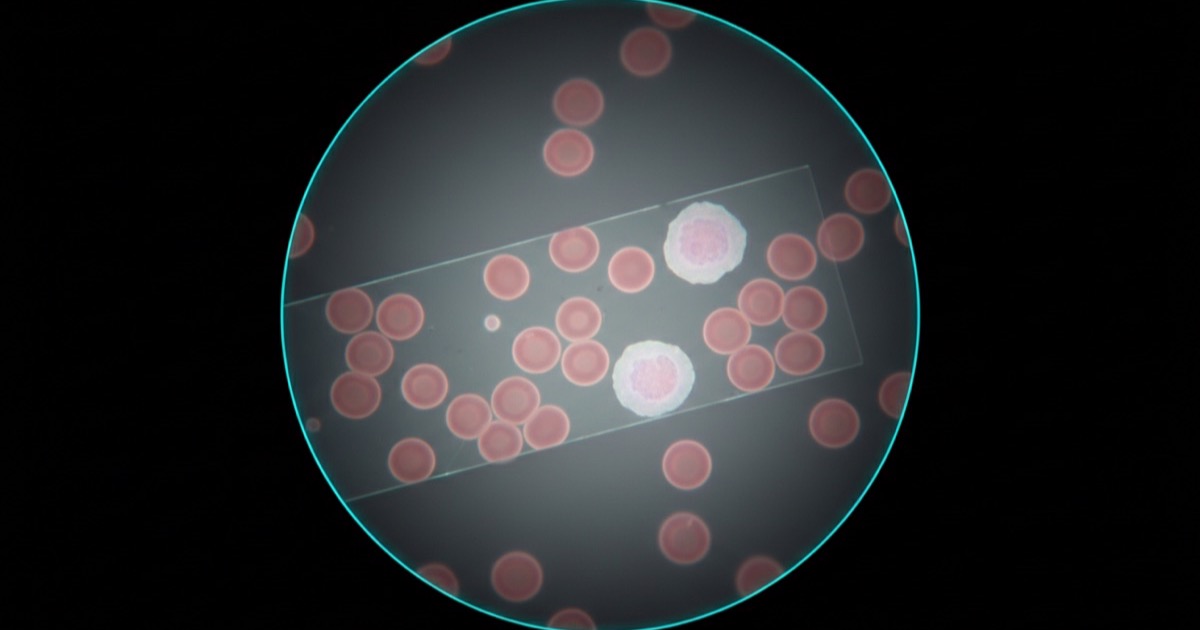
The Direct Coombs (DAT) checks whether immune antibodies are attached to your red blood cells. Suspected red-cell breakdown (hemolysis) is evaluated using low haptoglobin, high LDH, high indirect bilirubin, and high reticulocytes together.
| Marker | Classic hemolysis shift |
|---|---|
| Haptoglobin (30–200 mg/dL) | Very LOW (< 25–30 mg/dL) — consumed binding free hemoglobin |
| LDH & Indirect Bilirubin | HIGH — released from ruptured red cells |
| Reticulocytes | HIGH — bone marrow ramping up replacement |
| Direct Coombs (DAT) | Positive: immune/drug hemolysis · Negative: inherited/mechanical causes |
How do Direct and Indirect Coombs differ?
Direct Coombs looks for antibodies bound to red cells (autoimmune hemolysis), while Indirect Coombs screens free plasma antibodies (pregnancy Rh, blood transfusions).
- First International Consensus on Autoimmune Hemolytic Anemia, Blood Rev 2020
General information only; not diagnosis or treatment. Review your results with your clinician.